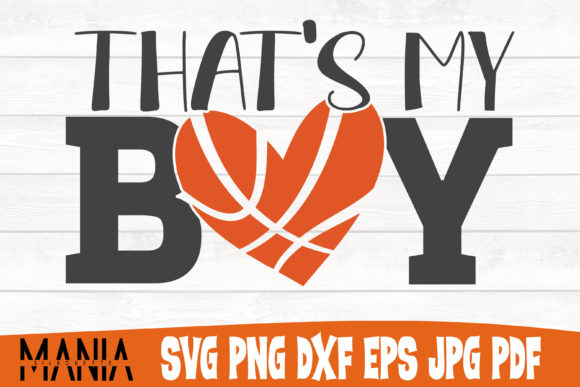
That s My Boy Svg Cut File Design
As a designer who spends half my life troubleshooting stitch errors and the other half trying to make handmade goods look professionally finished, I approach every new embroidery file with a healthy dose of skepticism. We have all been there: you download a trendy design, load it into your hoop, and pray the thread doesn’t break or the fabric puckers into an unrecognizable blob. When evaluating That s My Boy Svg Cut File Design, I am not just looking at the vector lines; I am visualizing the final stitched product on a customer’s chest or a child’s tote bag. This review breaks down how this specific design performs in real-world applications, helping you decide if it belongs in your craft business inventory or your personal gift stash.
First Impressions and Visual Personality
The moment you open the files included in this pack—ranging from SVG for cutting machines to DXF and EPS for editing—the layout tells a story. The phrase "That s My Boy" carries a specific emotional weight. It is proud, affectionate, and slightly rugged. In terms of machine embroidery design, typography-based designs are risky. If the kerning is off or the font choice clashes with the theme, the whole piece feels cheap. However, That s My Boy Svg Cut File Design strikes a balance between casual and celebratory. The visual personality suggests it is perfect for modern parenting gifts, sports-themed apparel, or milestone birthday items.
From a graphic design perspective, the negative space is crucial. Because this is also categorized under Graphic Templates and Graphics, it offers versatility beyond just stitching. You can use the PNG with the transparent background to create clean printable mockups for your Etsy shop before you even cut the first thread. The JPEG provided for iron-on machines gives you a quick way to test placement on dark fabrics without wasting expensive stabilizer. This multi-format approach is a strong indicator that the creator understands the workflow of a serious maker.
Real-World Application: The Custom Tote Bag Scenario
Let’s imagine a practical scenario. You are preparing for a local craft fair or fulfilling a rush order for a client who wants a personalized baby shower gift. You choose a sturdy canvas tote bag design for a new father. The challenge here is scale and contrast. A large block of text can overwhelm a small hoop area, while tiny details get lost in the weave of heavy canvas.
This is where That s My Boy Svg Cut File Design shines. Its structure allows for clear readability even when scaled down. When applied to a tote bag, the design acts as a focal point rather than background noise. For an Etsy seller, this means higher perceived value. Customers buy the sentiment, but they stay for the quality of execution. If the stitching is crisp and the lettering aligns perfectly with the bag’s seams, the buyer trusts your brand. Conversely, if the design has overly complex curves that require excessive trimming, the production time increases, eating into your profit margins. This design appears optimized for efficiency, making it a smart choice for high-volume small shop product runs.
Stitch Clarity and Fabric Considerations
No matter how beautiful a vector looks on screen, the fabric dictates the final outcome. When using That s My Boy Svg Cut File Design, you must consider the fabric texture. On smooth cotton blends or jersey knits for sweatshirt embroidery, the design will likely lay flat and look sharp. However, on highly textured fabrics like bouclé or thick fleece, fine details may disappear into the nap of the material.
I strongly advise testing the stitch density before committing to a commercial run. While the file formats (SVG, DXF, EPS) provide the shape, your digitizer settings determine the fill. If the design includes fill stitch areas, ensure they are not so dense that the fabric becomes stiff or the needle breaks. For applique techniques, the clean edges of the SVG are ideal for precise cutting, allowing you to layer contrasting fabrics for a dimensional look. Remember to use the proper stabilizer; a tear-away might suffice for light projects, but a cut-away is safer for stretchy materials to prevent distortion during washing.
Where to Use With Caution
Not every surface is created equal. There are specific scenarios where you should exercise extreme caution:
- Small Hoop Sizes: If you are working with a 4x4 inch hoop, check the aspect ratio of the design. Stretching a wide text phrase into a small square can distort the letters, making "Boy" look like "Bcy" or similar unintended shapes.
- Curved Surfaces: Applying this to a baseball cap or a curved bucket hat requires careful hooping techniques. Flat designs do not naturally conform to curves, which can lead to puckering at the edges.
- Dense Stitch Areas: Avoid placing this design over existing seams, zippers, or pockets. The added bulk from multiple layers of thread can cause the garment to hang awkwardly or feel uncomfortable against the skin.
- Frequent Washing: For items like kitchen towels or baby bibs that undergo rigorous laundering, ensure the thread colors are colorfast. Dark threads on light fabrics can sometimes bleed, especially if the initial wash water is hot.
Commercial Viability and Brand Consistency
For the creative entrepreneur, consistency is key. Your customers expect a certain level of professionalism across all your listings. Using a versatile design like That s My Boy Svg Cut File Design allows you to maintain a cohesive aesthetic across different product types. Whether you are selling a personalized gift set including a mug and a shirt, or just a standalone embroidered patch, the core graphic remains recognizable.
This design also lends itself well to seasonal marketing. While it works year-round for birthdays and graduations, it can be easily adapted for holiday gifting by changing the thread colors. Imagine the same design stitched in festive red and green for Christmas, or pastel tones for Easter. This flexibility increases the lifespan of the asset in your library. However, always double-check the licensing terms included with the digital embroidery file. Some licenses allow unlimited commercial use, while others restrict the number of physical items you can sell. Ignoring these details can lead to costly legal issues down the line.
Practical Designer Notes for Success
- Test on Scrap Fabric: Never skip this step. Different batches of fabric behave differently due to pre-washing or dye processes.
- Check Thread Contrast: Use black and white mockups to ensure the design pops. Low contrast between thread and fabric is the #1 reason customers return handmade items.
- Inspect Small Details: Zoom in on the digital file. Are there any tiny specks or disconnected paths? These can cause threading issues on automated machines.
- Confirm Licensing: Verify if you can sell the finished physical goods and whether you can include the digital file as a bonus for buyers.
- Review Satin Stitch Edges: If the design uses satin stitches for outlines, ensure the width is appropriate for the fabric weight. Too wide, and it looks bulky; too narrow, and it frays.
Final Verdict
That s My Boy Svg Cut File Design is more than just a cute phrase; it is a functional tool for makers who want to produce high-quality, emotionally resonant products. Its inclusion in multiple formats makes it adaptable for both applique design workflows and direct stitching. By understanding its strengths in readability and its limitations on curved or textured surfaces, you can position it effectively in your handmade product lineup. Whether you are decorating a baby item for a loved one or building a brand around custom apparel, this design offers a reliable foundation for success. Just remember: the best embroidery starts with careful planning, proper stabilization, and a keen eye for detail.